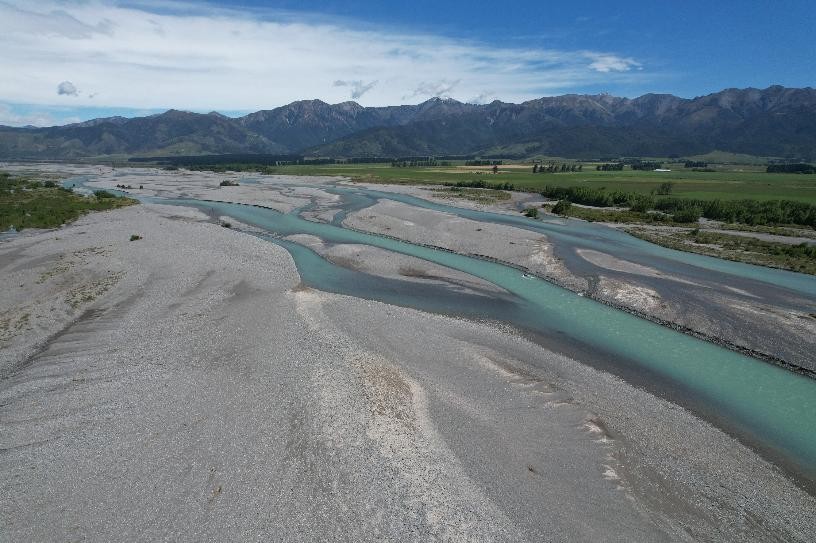
This project developed a common framework for assessing catchment condition by identifying meaningful environmental indicators and designing practical tools to support consistent, evidence-based evaluation across multiple catchments.
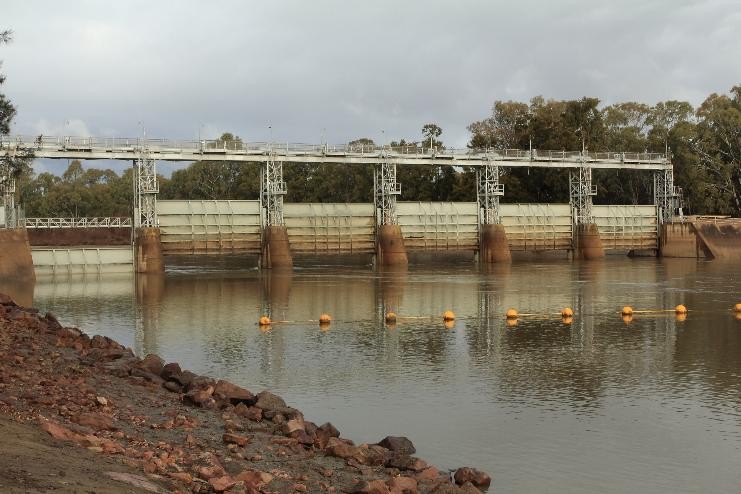
The Reconnecting River Country Program is investigating ways to improve environmental water delivery throughout the Murrumbidgee Valley by reducing or removing flow constraints that limit connectivity between rivers, wetlands, and floodplains. This project focused on assessing how different environmental flow scenarios could benefit native wetland fauna and improve the ecological health of the broader river system.
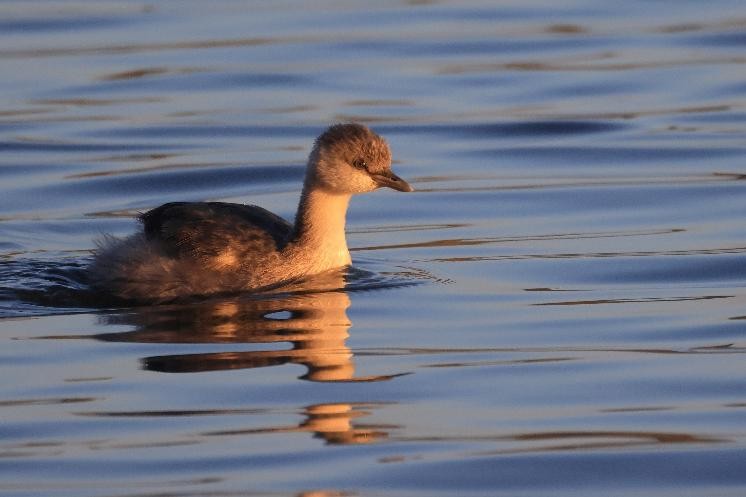
This project investigated how the large unregulated flood of 2022–23 influenced food resource availability and waterbird communities across the Hattah Lakes over the following two years.
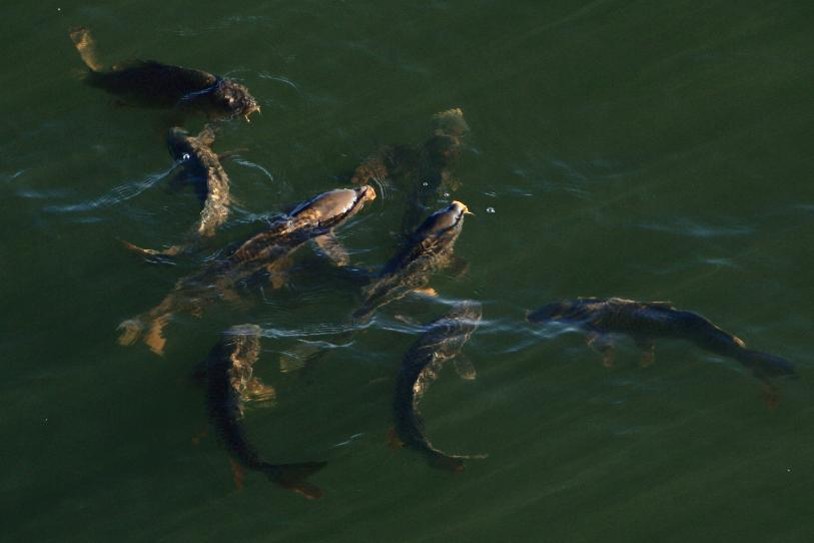
Common carp are one of Australia’s most widespread invasive fish species, contributing to the degradation of freshwater ecosystems through impacts on water quality, aquatic vegetation, and native biodiversity. As part of the National Carp Control Plan (NCCP), this project investigated the likely medium- to long-term ecological outcomes of reducing carp populations.
This project developed a common framework for assessing catchment condition by identifying meaningful environmental indicators and designing practical tools to support consistent, evidence-based evaluation across multiple catchments.
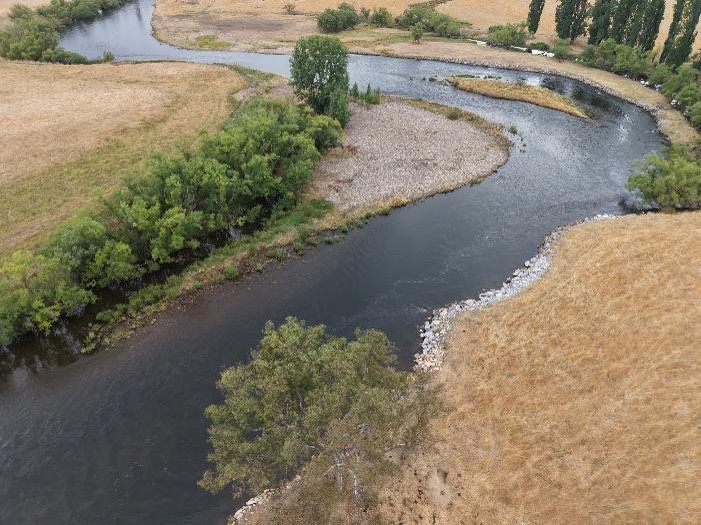
This project involved undertaking an REF to evaluate the potential environmental impacts of proposed works and provide the information required to support the statutory approval process.
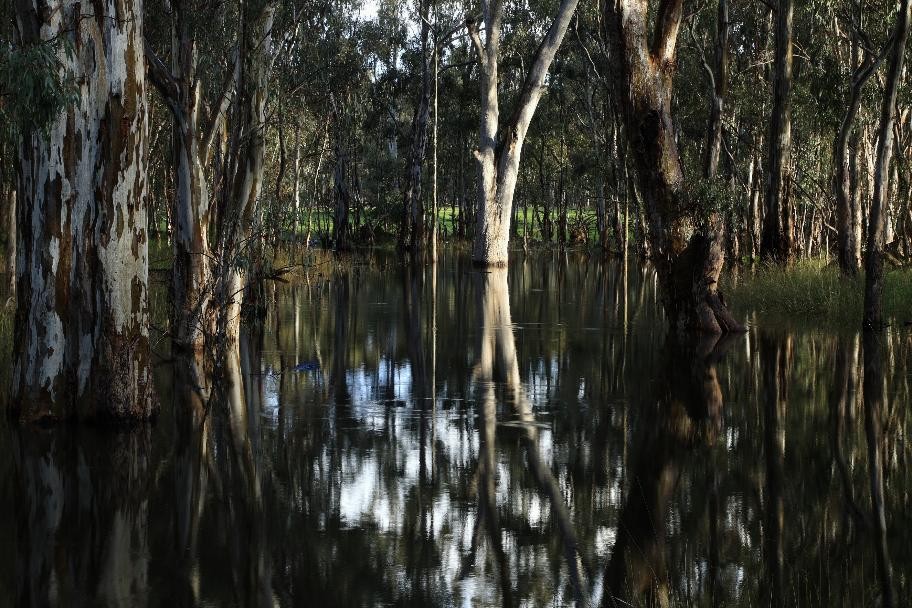
This project evaluated the extent of the 2022–23 blackwater event, examined the factors contributing to ecological impacts, and assessed the effectiveness of management responses. The findings provide valuable lessons to strengthen preparedness and improve responses to future large-scale blackwater events.
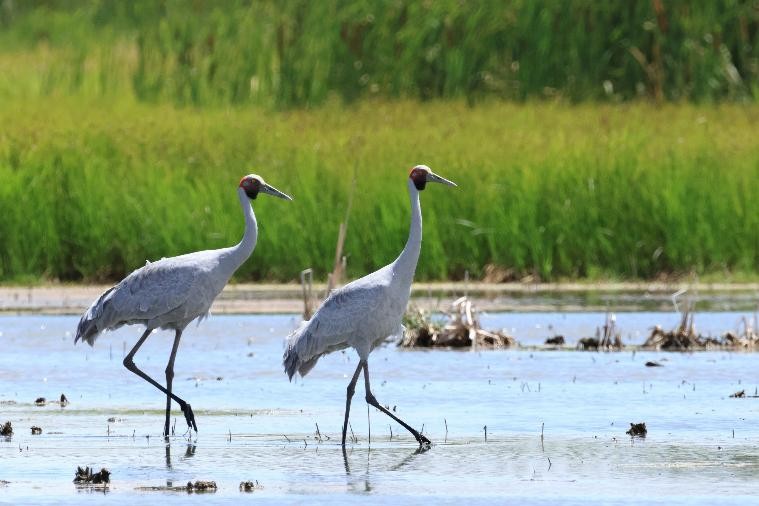
This project involved a comprehensive review of existing ecological data to better understand the current condition of the wetlands and identify opportunities to strengthen long-term environmental management.
This project investigated how the large unregulated flood of 2022–23 influenced food resource availability and waterbird communities across the Hattah Lakes over the following two years.
This project evaluated the extent of the 2022–23 blackwater event, examined the factors contributing to ecological impacts, and assessed the effectiveness of management responses. The findings provide valuable lessons to strengthen preparedness and improve responses to future large-scale blackwater events.
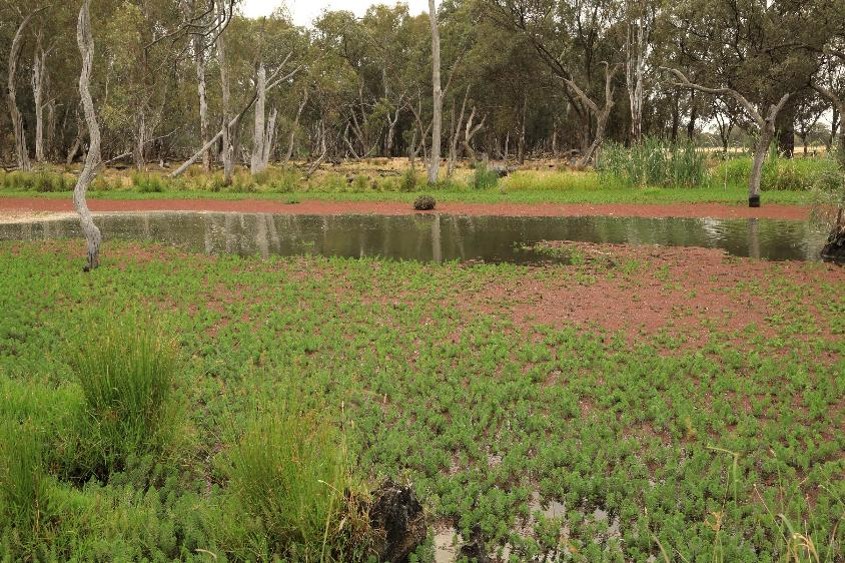
This project evaluated Victoria's contribution to The Living Murray (TLM) Condition and Intervention Monitoring Program, assessing how well the existing monitoring framework supports ecological objectives, informs adaptive management, and contributes to the long-term health of priority floodplain, wetland, and riverine ecosystems across the Murray–Darling Basin.
This project involved a comprehensive review of existing ecological data to better understand the current condition of the wetlands and identify opportunities to strengthen long-term environmental management.
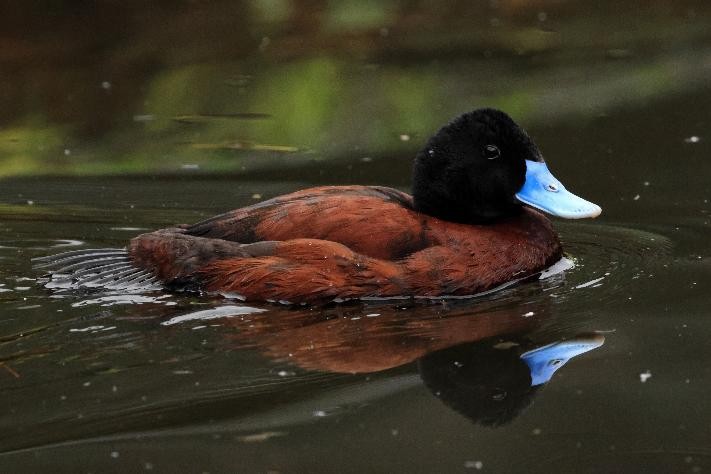
This project reviewed the effectiveness of existing pest management programs and developed a framework to guide future pest control objectives across the site.
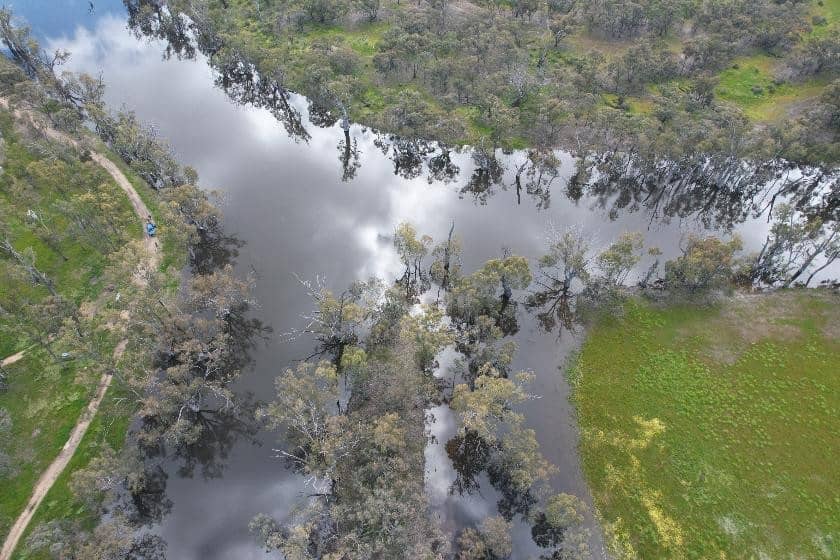
Healthy floodplains and wetlands rely on well-managed environmental water to sustain biodiversity, ecosystem function, and long-term resilience. This project explored how existing and upgraded irrigation infrastructure could be leveraged to improve the delivery of environmental water across the Edward–Wakool River system and its associated wetlands and floodplains.
This project evaluated the extent of the 2022–23 blackwater event, examined the factors contributing to ecological impacts, and assessed the effectiveness of management responses. The findings provide valuable lessons to strengthen preparedness and improve responses to future large-scale blackwater events.
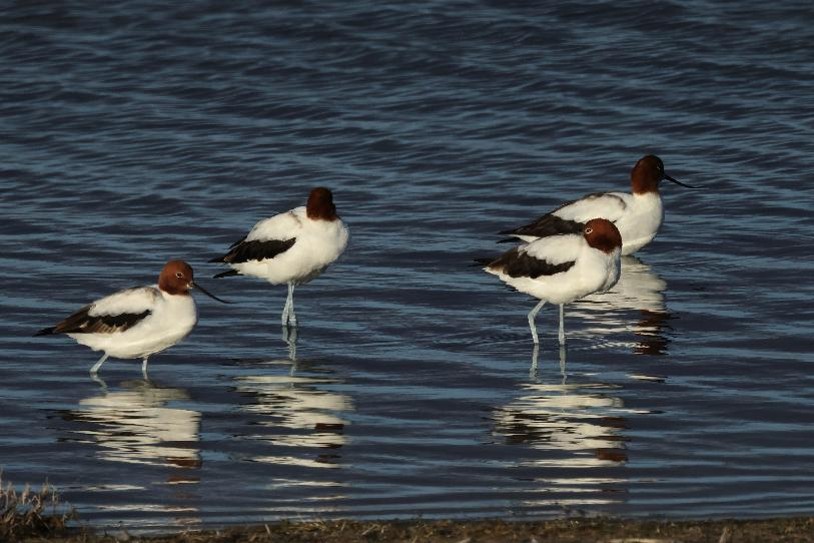
This project involved updating a suite of Environmental Flow Management Plans to ensure they reflected the latest scientific understanding, contemporary monitoring data, current policy requirements, and the practical knowledge gained through years of environmental water management.
This project involved a comprehensive review of existing ecological data to better understand the current condition of the wetlands and identify opportunities to strengthen long-term environmental management.
Healthy floodplains and wetlands rely on well-managed environmental water to sustain biodiversity, ecosystem function, and long-term resilience. This project explored how existing and upgraded irrigation infrastructure could be leveraged to improve the delivery of environmental water across the Edward–Wakool River system and its associated wetlands and floodplains.
The Reconnecting River Country Program is investigating ways to improve environmental water delivery throughout the Murrumbidgee Valley by reducing or removing flow constraints that limit connectivity between rivers, wetlands, and floodplains. This project focused on assessing how different environmental flow scenarios could benefit native wetland fauna and improve the ecological health of the broader river system.
Common carp are one of Australia’s most widespread invasive fish species, contributing to the degradation of freshwater ecosystems through impacts on water quality, aquatic vegetation, and native biodiversity. As part of the National Carp Control Plan (NCCP), this project investigated the likely medium- to long-term ecological outcomes of reducing carp populations.


