Case Studies
12 min read
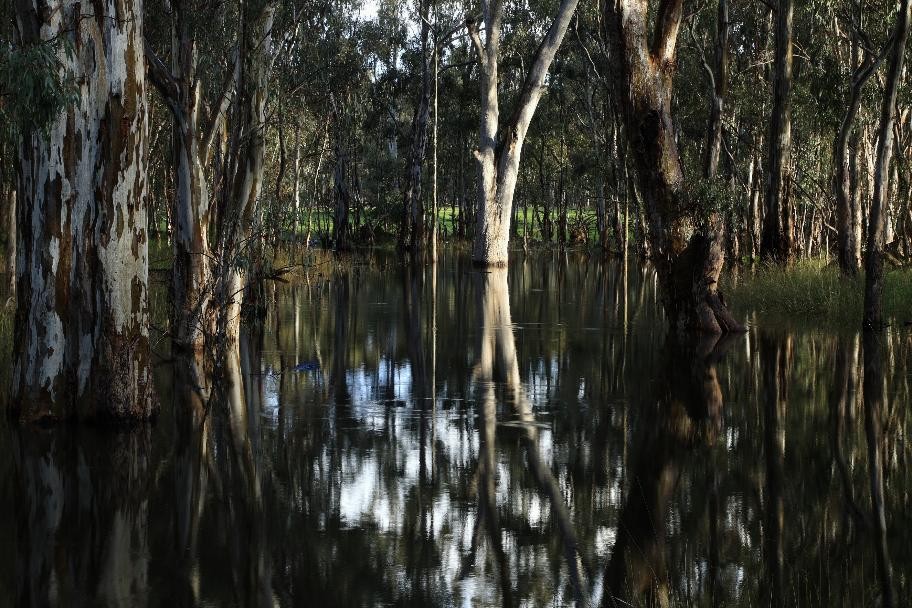
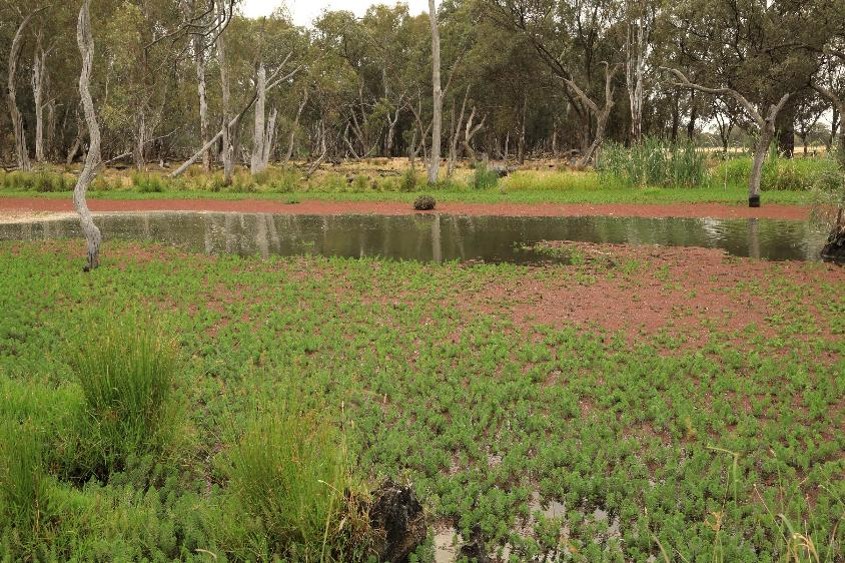
Fivebough and Tuckerbil Wetlands are internationally recognized wetlands of significant ecological importance, designated under the Ramsar Convention for their outstanding biodiversity and critical role in supporting migratory and threatened waterbird species.
This project involved a comprehensive review of existing ecological data to better understand the current condition of the wetlands and identify opportunities to strengthen long-term environmental management.
Protecting the ecological character of Ramsar-listed wetlands requires informed decision-making backed by reliable, up-to-date environmental data. While numerous ecological studies and monitoring programs had been conducted over the years, information was dispersed across multiple sources, making it difficult to gain a unified understanding of the site’s current ecological status and future management priorities.
The objective was to consolidate existing knowledge and assess the effectiveness of current monitoring efforts to support evidence-based environmental management.
The project team conducted a detailed review of ecological information from multiple authoritative sources, including:
The assessment focused on several key ecological indicators, including:
By synthesizing these datasets, the review provided a clearer picture of the wetlands’ ecological health and identified information gaps requiring ongoing attention.
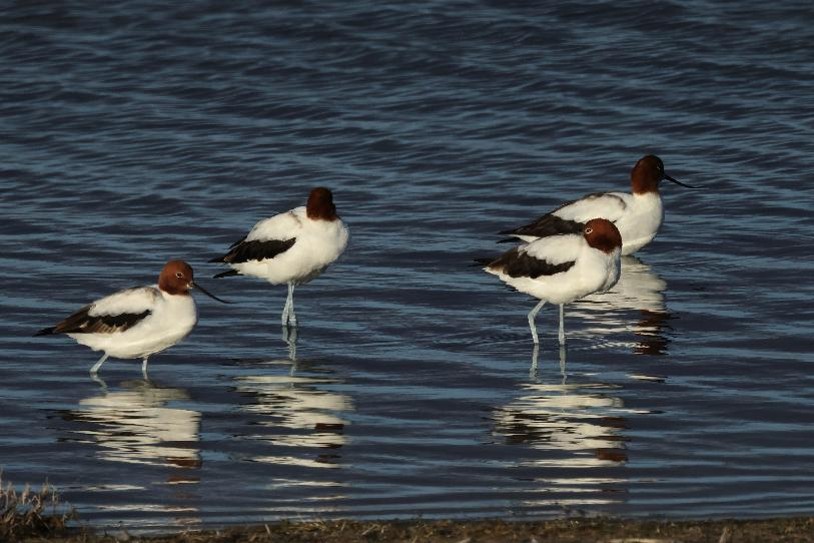
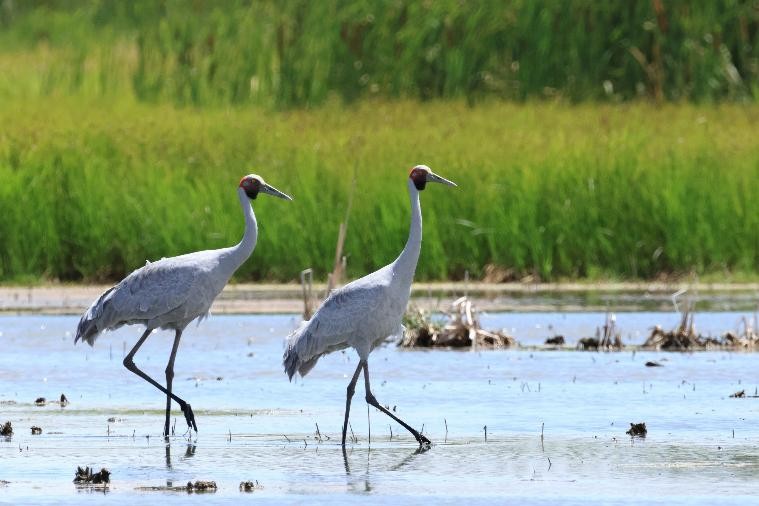
The review confirmed the international ecological significance of Fivebough and Tuckerbil Wetlands and reinforced their importance as habitat for endangered, migratory, and resident waterbird species.
Key findings included:
The review established a stronger evidence base for future management of the wetlands and highlighted practical recommendations to support their long-term ecological resilience.
By identifying priorities for monitoring, improving data management practices, and encouraging collaborative stewardship, the project helps ensure that Fivebough and Tuckerbil Wetlands continue to sustain their internationally significant ecological values while protecting critical habitat for endangered waterbird species.
This work supports informed environmental management by: