Case Studies
12 min read
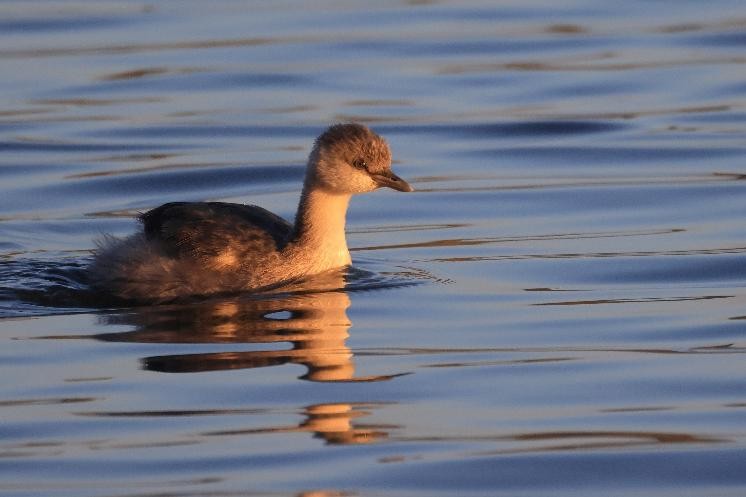
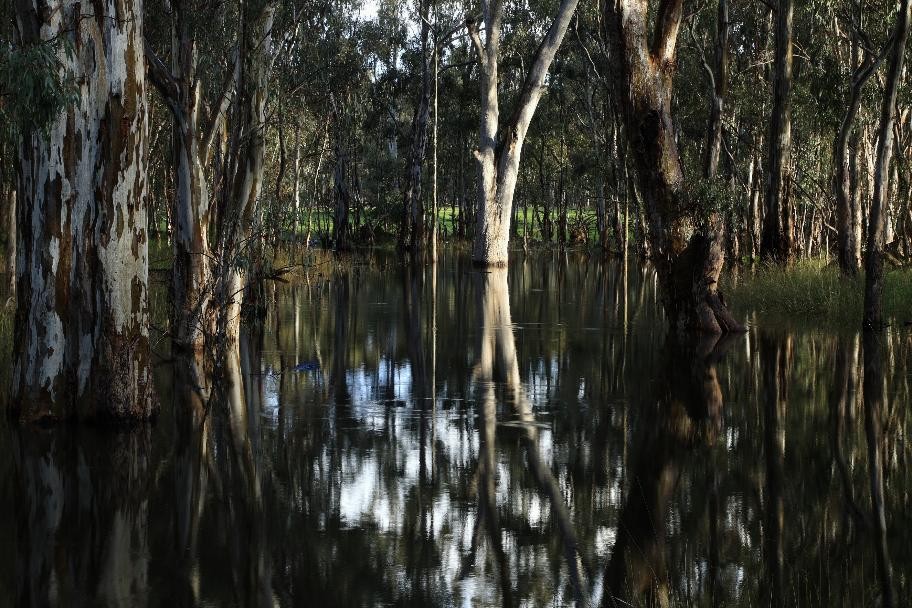
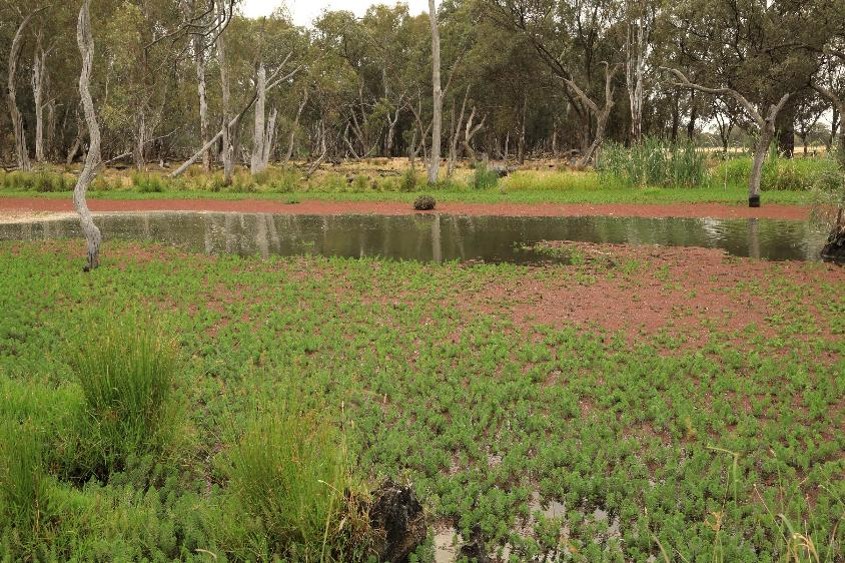
Flood events play a vital role in sustaining healthy wetland ecosystems by replenishing nutrients, supporting aquatic food webs, and creating habitat for wildlife. This project investigated how the large unregulated flood of 2022–23 influenced food resource availability and waterbird communities across the Hattah Lakes over the following two years.
The findings provide valuable insights to support future environmental flow management and invasive carp control strategies.
Environmental flooding can dramatically alter wetland ecosystems, but understanding how these changes affect food availability and waterbird populations over time is essential for effective management. While flood events often improve ecological productivity, responses can vary across different lakes and habitats.
The challenge was to evaluate how the 2022–23 flood influenced ecosystem productivity and determine how these changes could inform future environmental watering decisions.
The project examined ecological responses across the Hattah Lakes following the major flood event, with a focus on the relationship between food resources and waterbird communities.
The assessment investigated:
By analysing these interconnected ecosystem components, the study provided a broader understanding of how flooding supports wetland biodiversity.
The assessment demonstrated that the 2022–23 flood substantially increased ecosystem productivity throughout the Hattah Lakes.
Key findings included:
The project provided valuable ecological evidence on how natural flood events influence food resources and waterbird communities over time.
These findings support more informed environmental flow planning and contribute to the development of targeted carp management strategies, helping maximise ecological benefits while maintaining the health and resilience of the Hattah Lakes ecosystem.
This project supports long-term wetland conservation by: