Case Studies
12 min read
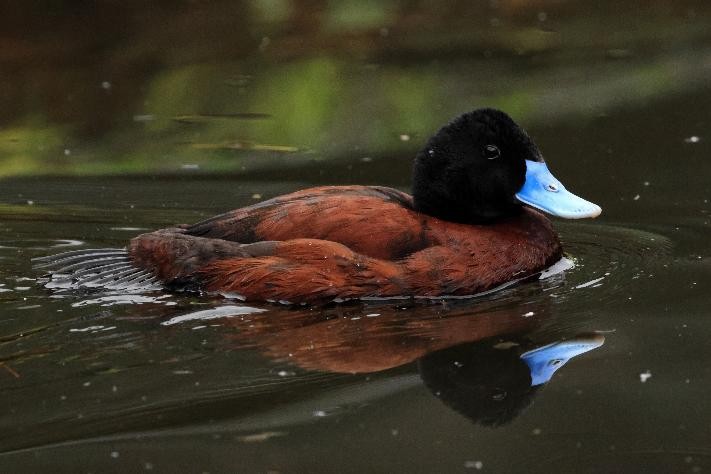
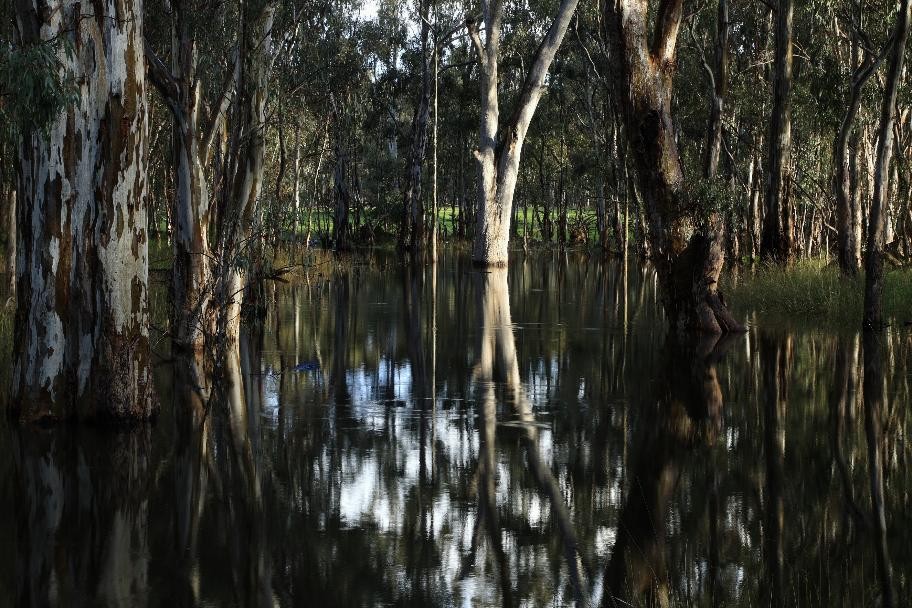
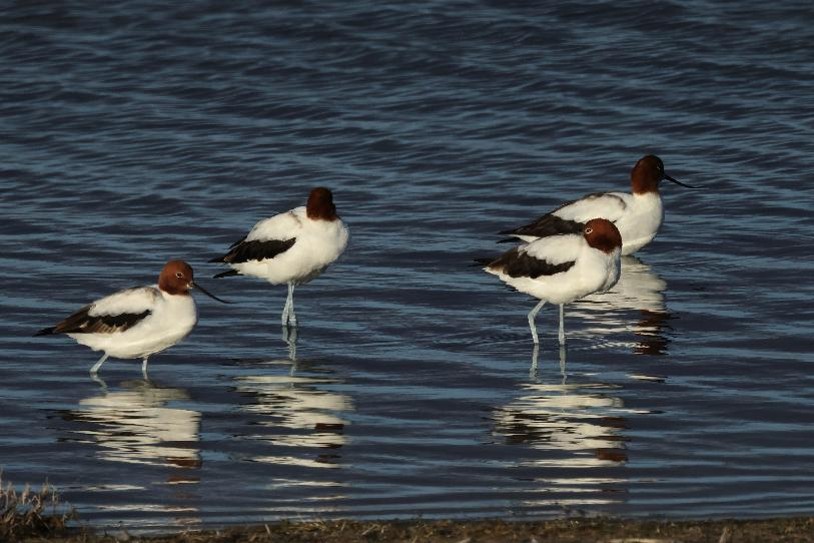
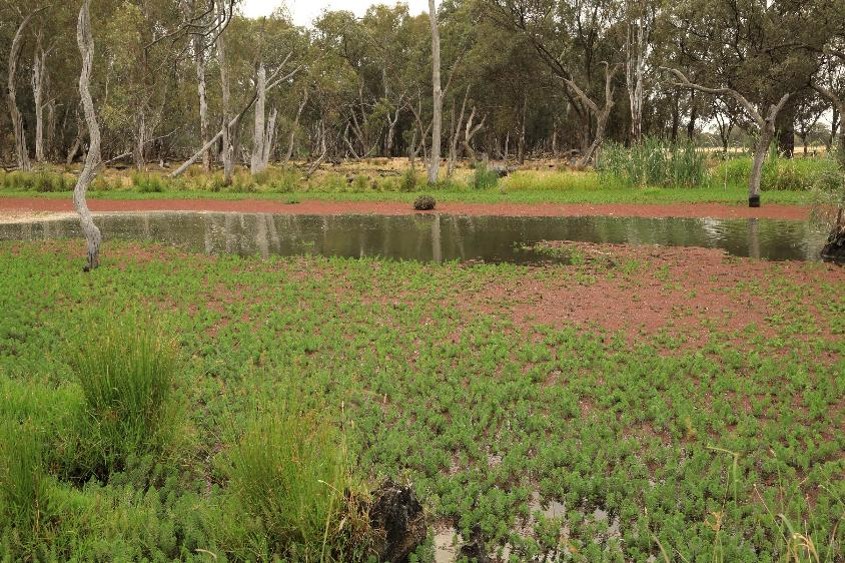
The Western Treatment Plant (WTP) is a Ramsar-listed wetland that supports a diverse range of native flora and fauna while balancing agricultural, operational, and conservation activities. Effective pest animal management is essential to protecting these ecological values and maintaining the site’s environmental health.
This project reviewed the effectiveness of existing pest management programs and developed a framework to guide future pest control objectives across the site.
Managing pest animals within a large, multi-use Ramsar site requires balancing conservation priorities with operational and agricultural needs. While pest control programs were already in place, there was a need to evaluate whether these efforts were effectively supporting the site’s management objectives and to identify areas where additional investigation or refinement was required.
The goal was to establish clear, evidence-based management objectives that would support coordinated decision-making among Melbourne Water and key stakeholders.
The project team assessed existing ecological and operational data to evaluate the performance of current pest management programs against the objectives outlined in the Ramsar Site Management Plan.
The review considered:
Using these findings, the team developed a set of proposed pest animal management objectives tailored to the different land management zones within the Western Treatment Plant.
The review demonstrated that while existing pest management programs provide an important foundation for protecting ecological values, opportunities exist to strengthen future management through more targeted objectives and improved understanding of pest impacts.
Key findings included:
The project delivered a strategic framework for pest animal management that aligns with the Ramsar Site Management Plan while accommodating the diverse functions of the Western Treatment Plant.
The proposed objectives provide Melbourne Water and stakeholders with a shared direction for future pest management, helping prioritise control actions, guide further ecological investigations, and support long-term protection of the site’s internationally significant environmental values.
This review supports more effective environmental management by: