Case Studies
12 min read
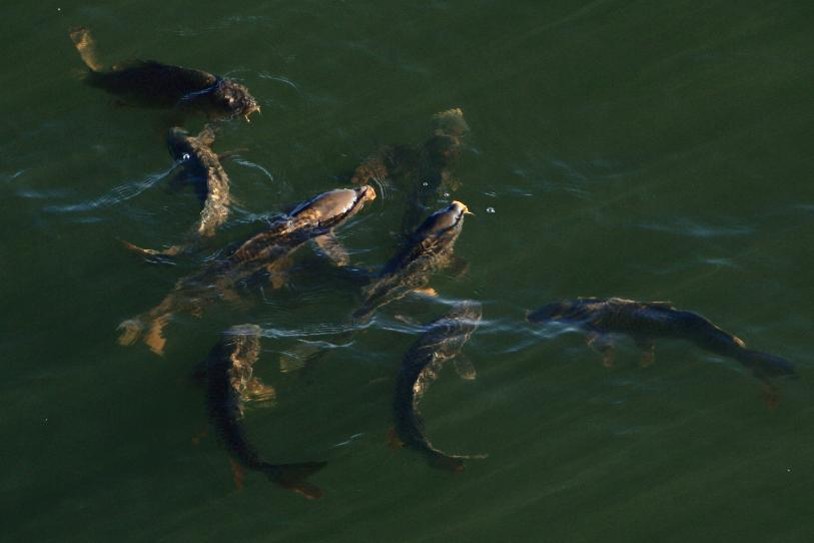
Common carp are one of Australia’s most widespread invasive fish species, contributing to the degradation of freshwater ecosystems through impacts on water quality, aquatic vegetation, and native biodiversity. As part of the National Carp Control Plan (NCCP), this project investigated the likely medium- to long-term ecological outcomes of reducing carp populations.
The study provided an evidence-based assessment to support strategic planning and informed the cost-benefit analysis of future carp control initiatives.
While reducing carp populations is widely expected to benefit freshwater ecosystems, the scale and timing of ecological recovery remain uncertain. Environmental managers require robust scientific evidence to understand how ecosystems are likely to respond over time and where knowledge gaps still exist.
The challenge was to synthesise available scientific knowledge and expert opinion into a structured assessment that could support national decision-making.
The project combined scientific literature with expert knowledge from a broad range of ecological disciplines to evaluate potential ecosystem responses over a 5–10 year period following carp population reductions.
The assessment included:
This structured approach enabled the project team to develop evidence-based predictions while clearly communicating the level of certainty associated with each outcome.
The assessment indicated that reducing carp populations has the potential to deliver significant ecological benefits across freshwater ecosystems, although responses are expected to vary depending on the extent of carp reduction and local environmental conditions.
Key findings included:
The project delivered a comprehensive evidence base describing the expected ecological outcomes of carp population reduction and the confidence associated with those predictions.
The findings directly informed the National Carp Control Plan’s cost-benefit analysis, supporting strategic investment decisions and helping guide future research and implementation of integrated carp management across Australia’s freshwater ecosystems.
This project contributes to more effective invasive species management by: