Case Studies
12 min read
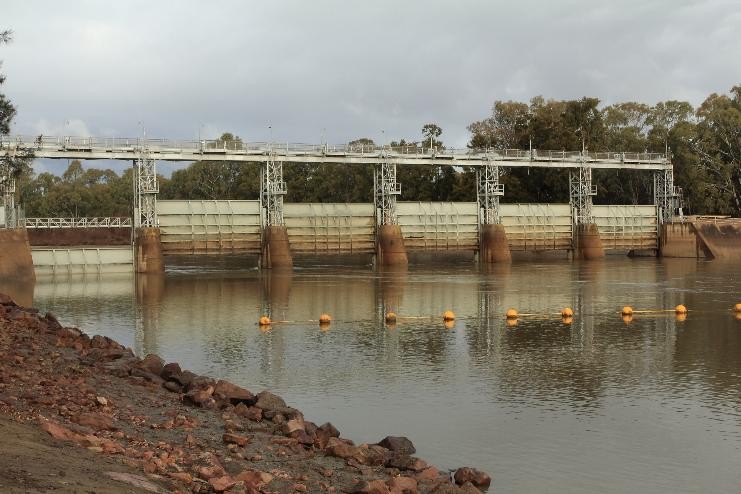
The Reconnecting River Country Program is investigating ways to improve environmental water delivery throughout the Murrumbidgee Valley by reducing or removing flow constraints that limit connectivity between rivers, wetlands, and floodplains. This project focused on assessing how different environmental flow scenarios could benefit native wetland fauna and improve the ecological health of the broader river system.
The assessment provided scientific evidence to support future water management decisions and ecosystem restoration initiatives.
Many wetlands and low-lying floodplains within the Murrumbidgee Valley are disconnected from natural flow events due to existing river constraints. This reduced connectivity limits the frequency of inundation, affecting the health of ecosystems that depend on regular flooding and diminishing habitat availability for native flora and fauna.
The challenge was to understand how modifying flow constraints could improve environmental outcomes while balancing the broader management of the river system.
The project assessed the ecological implications of four environmental flow scenarios, including:
The analysis evaluated how each scenario would influence the Murrumbidgee River and Yanco Creek systems, with a particular focus on:
The study formed part of a wider suite of environmental assessments and complemented parallel investigations into floodplain tree health and native fish responses to constraint management.
The assessment demonstrated that reducing flow constraints has the potential to significantly improve ecological connectivity across the Murrumbidgee Valley.
Key findings included:
The project delivered an evidence-based assessment of how alternative environmental flow strategies could support healthier, more connected wetland ecosystems throughout the Murrumbidgee Valley.
The findings help inform future decisions on flow constraint management, supporting restoration efforts that improve biodiversity, strengthen ecosystem resilience, and enhance the effectiveness of environmental water delivery.
This assessment supports long-term river and wetland restoration by: